Executive Intelligence. Industrial Risk. Geopolitics.
Strategic Sparring
for Decision-Makers
Risk intelligence across technology, law, markets and power dynamics.


Verdeckte Geschäftsrisiken, strategische Widersprüche und kritische Abhängigkeiten frühzeitig erkennen.
Kostenlose Analyse starten →
Verdeckte Machtstrukturen, Führungsrisiken und organisatorische Blockaden frühzeitig erkennen.
Kostenlose Analyse starten →
Geopolitische Risiken, globale Abhängigkeiten und kritische Lieferkettenrisiken frühzeitig erkennen.
Kostenlose Analyse starten →
Identify hidden business risks, strategic contradictions and critical dependencies at an early stage.
Start Free Analysis →
Identify hidden power structures, leadership risks and organizational blockers at an early stage.
Start Free Analysis →
Identify geopolitical risks, global dependencies and critical supply-chain vulnerabilities at an early stage.
Start Free Analysis →
Verdeckte Geschäftsrisiken, strategische Widersprüche und kritische Abhängigkeiten frühzeitig erkennen.
Kostenlose Analyse starten →
Verdeckte Machtstrukturen, Führungsrisiken und organisatorische Blockaden frühzeitig erkennen.
Kostenlose Analyse starten →
Geopolitische Risiken, globale Abhängigkeiten und kritische Lieferkettenrisiken frühzeitig erkennen.
Kostenlose Analyse starten →
Identify hidden business risks, strategic contradictions and critical dependencies at an early stage.
Start Free Analysis →
Identify hidden power structures, leadership risks and organizational blockers at an early stage.
Start Free Analysis →
Identify geopolitical risks, global dependencies and critical supply-chain vulnerabilities at an early stage.
Start Free Analysis →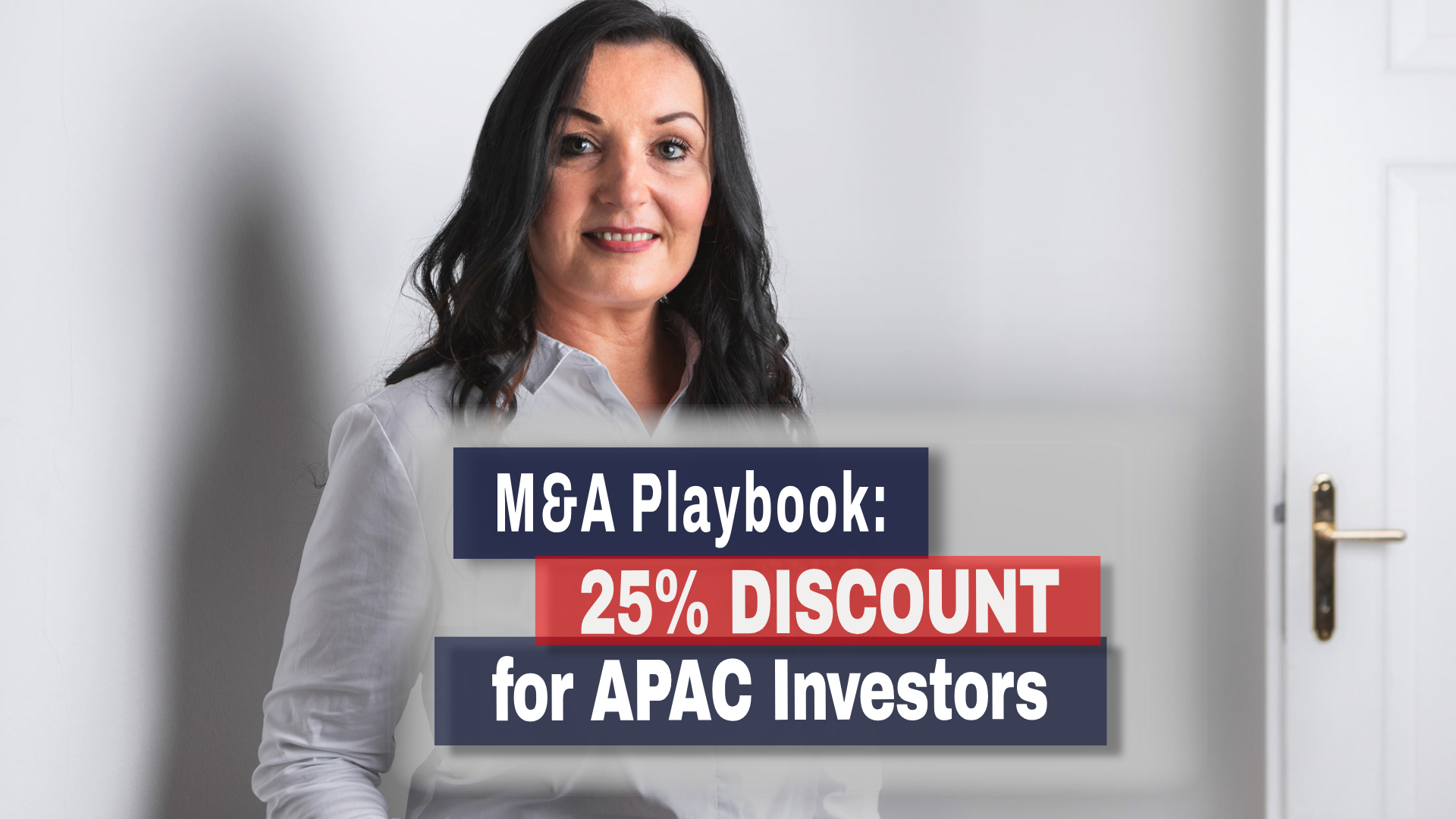
Strategic Risk Intelligence Brief by Global Insight Group.
This analysis is based on the GFDD Framework™ developed by Michaela Schaaf-Hoffelner and is designed for executives, investors and strategic decision-makers.
Updated on: April 18, 2026
European intralogistics companies are considered technological fortresses. But my current report Global Insight Group shows: Many of these fortresses stand on a brittle organizational foundation. For APAC Investors (Asia Pacific) This results in a historical arbitrage opportunity: Technological assets at discount price.
Classic due diligence overlooks the ‘invisible gap’ between the official organizational chart and the real power structure. If you recognize this gap, you press the price by at least 25%.
European intralogistics companies are often seen as technological fortresses. But my latest Global Insight Group report shows: many of these fortresses stand on a fragile organisational foundation. For APAC investors, this creates a historic arbitrage opportunity: technological assets at a discount price.
Classic due diligence overlooks the “invisible gap” between the official organisational chart and the real power structure. Investors who identify this gap can push down the purchase price by at least 25%.
The Investment Logic: Buy Technology, Repair Structure
As my Organizational Transformation Risk Model (Page 8), the real company value often lies in patents and infrastructure, while the operating system is already paralysed. The investor advantage is clear: organisational problems can be solved through new governance – technological deficits cannot.
1. Identify the “System Stabilisers” (p. 7)
Look for organisations that systematically push out critics, or “early warning analysts,” in order to protect outdated hierarchies. When top engineers leave the company (Indicator 4, p. 13), you are buying an inactive shell. Use this loss of knowledge as a major argument for price depreciation.
2. Analyse Governance Complexity (p. 12)
High meeting density and informal mediation roles are signals of political paralysis. In the APAC context, where efficiency and ownership are critical, this is a red flag that justifies an immediate reassessment of integration effort.
3. Use the Structural Transformation Investment Matrix (p. 17)
My report classifies these companies as an “investment opportunity”: high technological value combined with weak organisation. This is your leverage: you acquire valuable assets at a discount and resolve the organisational bottleneck after closing.
“Investors who understand the informal power structure of a target no longer negotiate only over EBITDA multiples. They negotiate over transformation risk.”
Standard due diligence looks into the books. My approach looks into the operating system. APAC investors who use this report do not merely buy technology – they buy sovereignty and use the structural blindness of European management boards for an aggressive market entry.
Do you want to know which EU targets should currently be valued at a 25% structural deduction?
Selected related articles. Some linked articles are currently available in German.
Author of Global Insight Group Intelligence:
Michaela Schaaf-Hoffelner has more than 35 years of experience in strategic and technical project and product management, particularly in IT, control systems and intralogistics. Through her long-standing work with complex systems, she identifies structural risks and dynamic misalignments at an early stage – risks that are often overlooked in conventional analysis.
Her focus is on making causal relationships and systemic dependencies visible and translating them into concrete strategic advantages for investors and decision-makers. Her analyses combine deep technical systems understanding with geopolitical and economic developments.
GFDD Framework™ and GFDD Diagnostics™ are proprietary analytical concepts developed by Michaela Schaaf-Hoffelner. © 2026 Global Insight Group LLC. All rights reserved.
You are currently viewing a placeholder content from X. To access the actual content, click the button below. Please note that doing so will share data with third-party providers.
More Information