Executive Intelligence. Industrial Risk. Geopolitics.
Strategic Sparring
for Decision-Makers
Risk intelligence across technology, law, markets and power dynamics.

Verdeckte Geschäftsrisiken, strategische Widersprüche und kritische Abhängigkeiten frühzeitig erkennen.
Kostenlose Analyse starten →
Verdeckte Machtstrukturen, Führungsrisiken und organisatorische Blockaden frühzeitig erkennen.
Kostenlose Analyse starten →
Geopolitische Risiken, globale Abhängigkeiten und kritische Lieferkettenrisiken frühzeitig erkennen.
Kostenlose Analyse starten →
Identify hidden business risks, strategic contradictions and critical dependencies at an early stage.
Start Free Analysis →
Identify hidden power structures, leadership risks and organizational blockers at an early stage.
Start Free Analysis →
Identify geopolitical risks, global dependencies and critical supply-chain vulnerabilities at an early stage.
Start Free Analysis →
Verdeckte Geschäftsrisiken, strategische Widersprüche und kritische Abhängigkeiten frühzeitig erkennen.
Kostenlose Analyse starten →
Verdeckte Machtstrukturen, Führungsrisiken und organisatorische Blockaden frühzeitig erkennen.
Kostenlose Analyse starten →
Geopolitische Risiken, globale Abhängigkeiten und kritische Lieferkettenrisiken frühzeitig erkennen.
Kostenlose Analyse starten →
Identify hidden business risks, strategic contradictions and critical dependencies at an early stage.
Start Free Analysis →
Identify hidden power structures, leadership risks and organizational blockers at an early stage.
Start Free Analysis →
Identify geopolitical risks, global dependencies and critical supply-chain vulnerabilities at an early stage.
Start Free Analysis →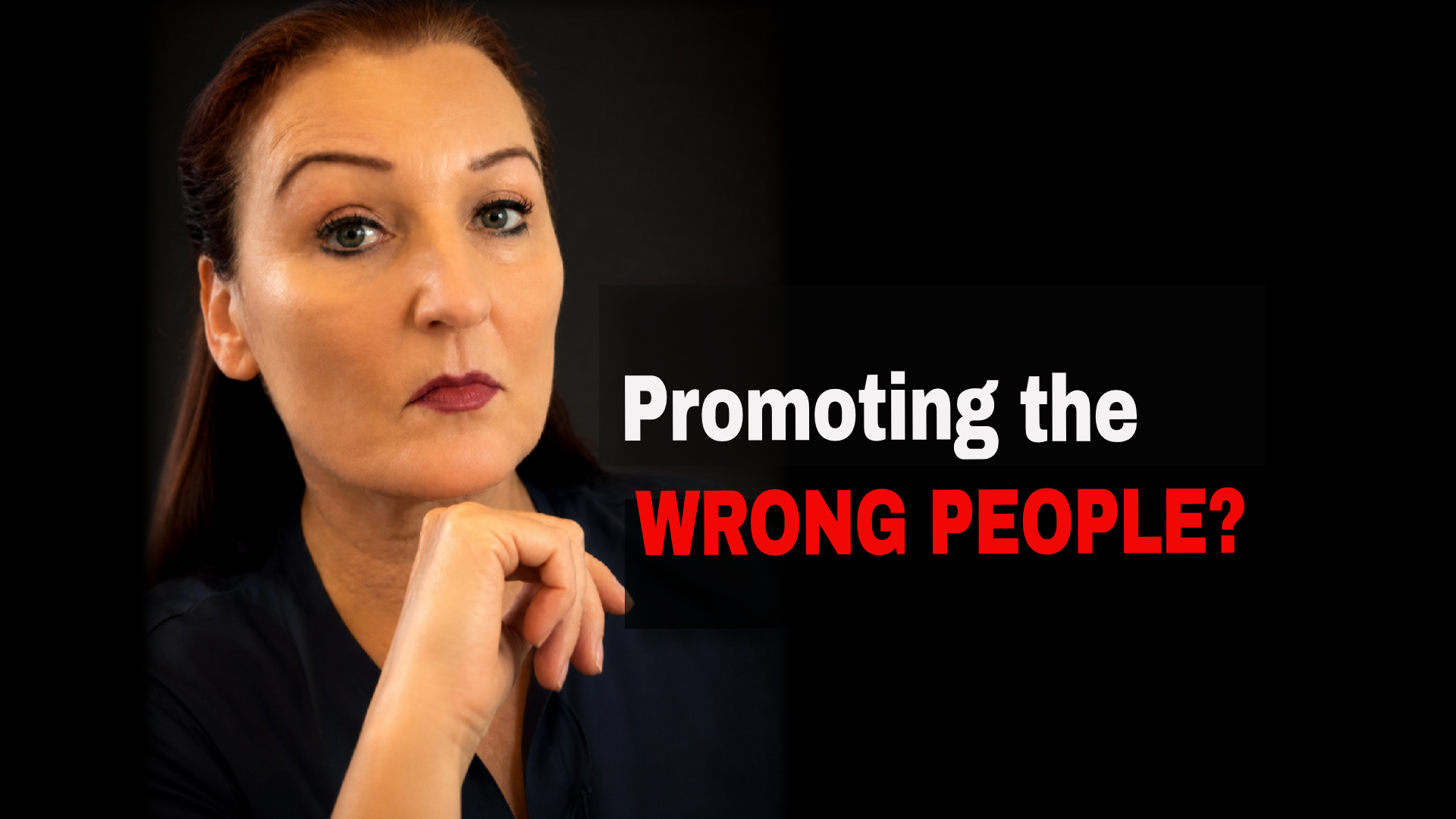
Strategic Risk Intelligence Brief by Global Insight Group.
This analysis is based on the GFDD Framework™ developed by Michaela Schaaf-Hoffelner and is designed for executives, investors and strategic decision-makers.
Updated: June 30, 2026
Mis-hires in leadership and specialist roles rarely damage a company overnight. They do something more dangerous: they slowly distort reality.
Good people leave. Poor decisions stay. Risks are recognized too late. Projects become more expensive. And at some point, senior management starts wondering why transformation is stalling, why talent is leaving, and why no one openly says what has long been visible.
Many companies then believe they have a recruiting problem. In reality, they often have a power problem.
Mis-hires rarely happen only because of poor interviews, unclear job profiles or weak selection processes. Very often, informal power structures, loyalty networks, status protection and hidden decision logic are operating in the background. What looks like a normal hiring or promotion process from the outside may already have been decided internally – not based on competence, but based on controllability.
A wrong appointment in a leadership or specialist role costs far more than one annual salary. It can slow down projects, push strong employees out of the organization, block innovation and create a defensive culture across entire departments.
The real danger begins when the mis-hire is not recognized as such. Instead, it becomes stabilized through reporting, meetings, internal narratives and political backing. The wrong person remains in the system, while those who would have identified risks early, named problems clearly or created real value eventually leave.
That is why the causes of mis-hires in leadership and specialist roles should not only be searched for in recruiting. They often lie much deeper: in how organizations distribute power, reward loyalty, evaluate dissent and make competence visible – or invisible.
This creates a quiet but costly pattern: the organization does not protect its strongest capabilities. It protects its existing power structures.
One of the most common causes of mis-hires in leadership roles is the silent confusion of loyalty with performance. In many organizations, the people who are promoted are not necessarily those who solve problems best. They are often the people who appear least threatening to the existing system.
This does not mean these people are completely incapable. Quite often, they are good at maintaining relationships, reading expectations and keeping conflict invisible to the top.
But that is precisely the risk.
People who are primarily loyal often protect the existing power structure. People with strong expertise may challenge it.
For companies, this confusion is costly. Leaders and specialists need more than adaptability. They need judgment, subject-matter competence and the ability to identify risks early. When loyalty becomes more important than competence, mis-hires do not happen despite the organization.
They happen because of it.
Further Readings:
Official hiring and promotion processes often look clean on paper: job posting, interviews, evaluation and decision. In reality, however, there is often a second layer. This is where people talk in advance, warn each other, recommend, block or position candidates.
Who “fits” may already have been decided before the formal process even begins.
This dynamic becomes especially visible in internal applications. A wish to move internally is not only read as career interest. It is also read as a signal. Does this person want to leave? Are they dissatisfied? Are they questioning the current department? Are they threatening existing relationships?
This turns an application into a political event.
The problem is not only a lack of fairness. The deeper problem is that highly qualified people can be informally damaged before they are ever formally assessed.
This is how mis-hires in leadership and specialist roles arise not from a lack of data, but from pre-shaped interpretation.
Another cause of mis-hires lies with existing leaders themselves. A manager is not just a person in an organizational chart. He or she is often a power node. Information, visibility, performance assessments, project access and informal reputation often run through this position.
When a strong specialist becomes visible, this can feel threatening to an insecure leader. Not because the specialist is disloyal, but because their competence exposes a problem.
A specialist may recognize architecture risks earlier than the product owner. An expert may identify risks that are missing from official reporting. An internal candidate may be objectively stronger than the person preferred by the network.
In healthy organizations, this kind of competence is used. In power-driven organizations, it is often neutralized.
Then “competent” suddenly becomes “difficult.” “Critical” becomes “not a team player.” “Risk-aware” becomes “blocking.”
That is the moment when the mis-hire begins: the best person does not get the role. The safer person does.
A transformation project starts with a clean organizational chart, defined roles and an ambitious budget. Formally, a product owner is responsible. On the slides, the structure looks professional. In practice, however, an experienced specialist recognizes early that key architecture decisions are not sustainable.
He raises risks, corrects errors, mediates between stakeholders and development, and prevents problems from escalating immediately. Formally, he has no role for this. In reality, he holds an important part of the project together.
This creates tension. Every risk he makes visible indirectly shows that earlier decisions in the formal role were not sound. Instead of using his competence, the system begins to frame him differently. He is suddenly seen as difficult, too critical or not aligned enough.
Eventually, the specialist leaves the company. The formal role remains. Shortly afterwards, the number of meetings increases, coordination becomes heavier and project costs rise. What looks like an individual personnel issue was in fact a structural appointment problem.
The company did not just lose a specialist. It lost its early warning system.
Further Readings:
Many selection processes assess qualifications, CVs, experience and personality. What they rarely assess is the actual system impact of a person.
Can this leader really carry responsibility? Can they hold complexity? Can they tolerate dissent? Can they work with strong specialists without experiencing them as a threat? Can they receive bad news without turning the messenger into the problem?
This level is especially important in leadership roles. A leader who prefers technically weaker but loyal employees creates a long-term downward spiral. Strong people leave, mediocrity stabilizes, risks become visible too late and projects become more expensive.
A mis-hire therefore does not only mean: the person does not fit the role.
Very often, a mis-hire means: the person stabilizes a dynamic that harms the company.
With specialists, the problem is often more subtle. Their performance is not always loud, visible or politically easy to package. Strong specialists prevent mistakes before they happen. They identify technical, operational or organizational risks early. They see connections that others only notice once costs, delays or escalations have already occurred.
The problem is that prevention is harder to sell than crisis management.
Those who name risks early may appear uncomfortable. Those who later put out fires appear visible.
As a result, some companies do not promote the best early-warning analysts. They promote the best self-promoters after the escalation.
This is one of the most dangerous causes of mis-hires in specialist roles: the organization only recognizes the value of competence once it has already lost it.
In dysfunctional organizations, reality does not always determine who is considered good. The person who controls the narrative does.
Who gets to define what counts as performance? Who gets to say what is a problem? Who decides whether someone appears strategic, difficult, loyal, critical or leadership-ready?
This narrative control is powerful because it determines who gets promoted, who gets blocked and who eventually leaves.
When an organization personalizes structural problems, familiar phrases appear:
“She was always difficult.”
“He was technically strong, but not really aligned.”
“She simply did not fit into the team.”
“He saw too many risks.”
Sometimes these statements are true. But sometimes they are warning signs. They may indicate that the person was not the problem. The problem was the system that could not tolerate what this person saw.
Further Readings:
Psychological safety is not a soft workplace concept. It determines whether organizations can recognize risks early.
When employees are afraid to deliver bad news, a dangerous filter emerges. Information is softened. Problems are delayed. Critical voices become quieter.
In such environments, mis-hires increase almost automatically.
The person promoted is not necessarily the person with the best judgment. It is often the person who disturbs the system the least.
This may create short-term calm.
In the long term, it creates blindness.
Companies should become especially alert when several of these signals appear at the same time. One signal alone does not prove a structural problem. But in combination, these patterns often indicate that appointments are no longer primarily based on competence.
Many meetings may look professional. Sometimes, however, they simply show that no one is really deciding. When decision loops become longer while accountability remains unclear, this points to governance paralysis.
When experienced experts leave while politically well-connected people remain, this should be taken seriously. The loss of key specialists is often an early warning signal for structural mis-hires.
When every escalation ends with a scapegoat, the real cause remains invisible. Organizations that only personalize problems do not learn. They protect the structure that created the problem.
When “we know him” counts more than competence, the risk of mis-hires increases. It becomes especially dangerous when networks decide in advance who is considered suitable and who is not.
When people who recognize risks early are repeatedly devalued, the organization loses its early warning systems. The risk is no longer addressed. The person who made it visible is.
Companies that want to avoid mis-hires in leadership and specialist roles must look deeper than CVs, interview performance and personal sympathy. The decisive question is not only whether a person appears professionally suitable. The deeper question is which dynamic will be stabilized by the appointment.
This requires uncomfortable questions: Who benefits from this appointment? Who would lose influence if someone else were selected? Which informal recommendations are operating in the background? Is the organization looking for competence – or controllability? Which strong people have left the company? How does the organization talk about former high performers? Are risks discussed early, or only accepted after escalation?
These questions are not comfortable, but they often reveal more than any assessment. Mis-hires occur where a company no longer honestly examines which interests a personnel decision is actually serving.
This is where Organizational Due Diligence begins: not with the question of who is formally responsible, but with the question of who really has influence. Strong organizational diagnostics therefore examine not only roles, processes and profiles, but also informal power axes, narrative control, loyalty patterns and the question of who is protected or pushed out inside the system.
Mis-hires are not merely an HR problem. They are a governance risk.
Every wrong appointment shifts decision quality, information flow and capital allocation. In transformation projects, technical organizations and complex industrial companies, this can become extremely expensive.
When leaders are selected not for value creation but for loyalty, a quiet corruption of the organization emerges. Not necessarily illegal, but economically high-risk.
This is why owners, executive teams and supervisory boards should not treat mis-hires merely as personnel issues. They should read them as signals of the organization’s real decision logic.
The causes of mis-hires in leadership and specialist roles rarely lie only in the selection process. They lie deeper: in informal power structures, loyalty networks, fear of losing control, lack of psychological safety, the personalization of structural problems and organizations that only recognize competence once it is no longer there.
Companies that truly want to avoid mis-hires must do more than recruit better.
They must see better.
The most important question is not:
“Who seems to fit?”
The more important question is:
“Which dynamic will this appointment stabilize?”
That is where real organizational diagnostics begins.
Common causes include informal power structures, loyalty-based decisions, unclear evaluation criteria, fear of strong employees and the confusion of adaptability with real leadership competence.
Because promotions are not always based purely on performance. Networks, availability, political fit, controllability and personal loyalty often play a larger role than actual leadership ability.
Strong specialists often leave when their competence is not used, their warnings are ignored or their role is blocked by weak leadership. It becomes especially critical when risks are personalized instead of structurally analyzed.
Warning signs include high meeting density, unclear responsibility, repeated escalations, declining execution speed, devaluation of critical voices and the loss of key high performers.
They are both, but above all they are a governance problem. Mis-hires affect decision quality, information flow, talent retention, project costs and long-term competitiveness.
Author of Global Insight Group Intelligence:
Michaela Schaaf-Hoffelner has more than 35 years of experience in strategic and technical project and product management, particularly in IT, control systems and intralogistics. Through her long-standing work with complex systems, she identifies structural risks and dynamic misalignments at an early stage – risks that are often overlooked in conventional analysis.
Her focus is on making causal relationships and systemic dependencies visible and translating them into concrete strategic advantages for investors and decision-makers. Her analyses combine deep technical systems understanding with geopolitical and economic developments.
GFDD Framework™ and GFDD Diagnostics™ are proprietary analytical concepts developed by Michaela Schaaf-Hoffelner. © 2026 Global Insight Group LLC. All rights reserved.
You are currently viewing a placeholder content from X. To access the actual content, click the button below. Please note that doing so will share data with third-party providers.
More Information